If you’ve noticed cracks in your floors, uneven concrete surfaces, or sections of your home appearing to lift upward, you may be experiencing slab heaving from expansive clay. This is one of the most common foundation problems affecting homeowners throughout Berthoud, Loveland, Longmont, Brighton, Niwot, and Boulder. Colorado’s expansive clay soils can absorb significant amounts of moisture, causing the ground beneath homes to swell and push concrete slabs upward.
Unlike foundation settlement, where a home sinks, slab heaving causes portions of a foundation to rise. If left untreated, this movement can create structural damage, interior cracking, and long-term stability concerns.
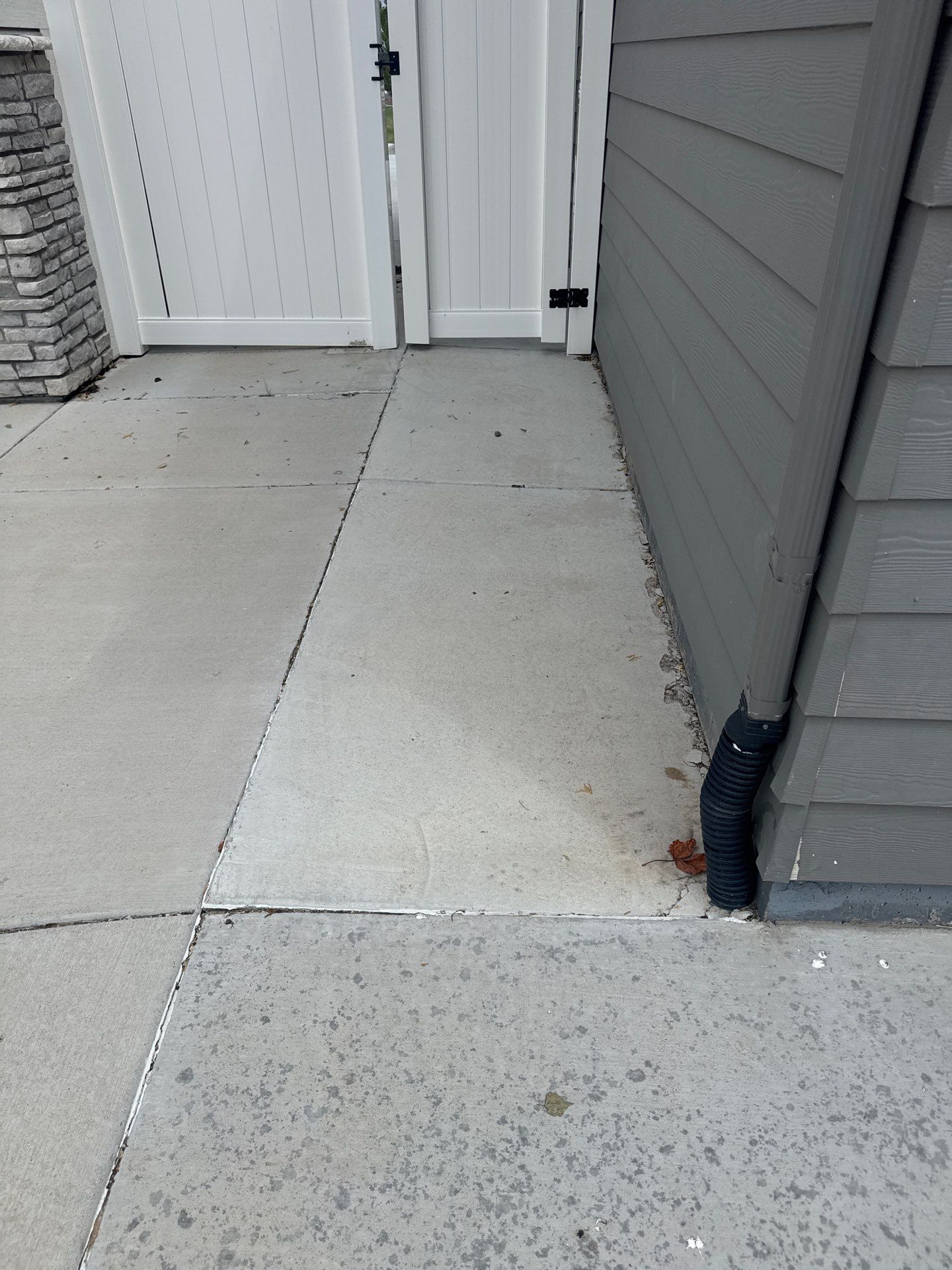
Slab heaving occurs when soil beneath a concrete slab expands and exerts upward pressure on the foundation. As the soil swells, it can lift portions of the slab unevenly, creating stress throughout the structure.
Because the movement occurs from below, many homeowners mistake these symptoms for normal settling when the actual issue is upward soil pressure.
One of the biggest contributors to slab heaving from expansive clay is Colorado’s unique soil composition.
Expansive soil contains clay minerals that absorb water and increase in volume when moisture levels rise. During wet periods, these soils can exert tremendous pressure against foundations.
Throughout Northern Colorado, expansive clay soils are a leading cause of foundation movement and structural damage.
Communities such as Berthoud, Loveland, Longmont, Brighton, Niwot, and Boulder are built on soil formations known for significant expansion and contraction.
Colorado’s climate often alternates between dry periods and sudden moisture events. This constant cycle causes the soil beneath homes to repeatedly shrink and swell, increasing the risk of slab movement.
Homes built on poorly prepared soil or with inadequate drainage are particularly vulnerable.
Many homeowners assume foundation movement only impacts the concrete itself. In reality, slab heaving can affect nearly every part of a structure.
As portions of the slab rise unevenly, framing members experience stress that can lead to cracking and distortion.
Drywall cracks, trim separation, flooring damage, and sticking doors are common indicators of slab movement.
Movement beneath the slab can place stress on underground plumbing lines and utility connections.
Visible foundation problems can significantly impact a home’s resale value and buyer confidence.
The first step in addressing slab heaving is determining the cause and extent of movement.
A professional foundation inspection helps distinguish between cosmetic issues and structural concerns requiring repair.
Successful foundation repair focuses on addressing both the symptoms and the underlying cause of movement.
Improving drainage around the home helps reduce soil expansion and future movement.
In some cases, correcting moisture conditions and soil behavior can help minimize additional heaving.
Damaged components may require reinforcement after foundation movement has occurred.
Long-term stabilization measures help protect the structure from future movement caused by expansive soils.
Many homeowners associate helical piers with foundation settlement, but they can also play an important role in comprehensive foundation stabilization strategies.
Helical piers are steel supports installed deep into stable load-bearing soils beneath the structure. They help transfer structural loads away from active expansive soil layers.
While every situation is unique, helical piers are often part of a broader repair strategy for homes affected by significant soil movement.
Foundation movement rarely stops on its own. The longer slab heaving continues, the greater the risk of structural damage.
Early intervention often results in simpler and more cost-effective repair options.
When dealing with slab heaving from expansive clay, homeowners need a contractor who understands Colorado soils and long-term foundation performance.
Fort August Foundation provides professional foundation repair, foundation inspection, and foundation stabilization services throughout Berthoud, Loveland, Longmont, Brighton, Niwot, and Boulder.
Rather than simply addressing visible cracks, Fort August Foundation focuses on identifying and correcting the underlying causes of foundation movement.
Full-service foundation repair and concrete solutions for Colorado's Front Range. Based in Berthoud serving homeowners from Fort Collins to Pueblo.
